Catalog
 MyEsbelt
 CPortal
 Contact
Belts adapted to each process
Due to the variety of fruits and vegetables available in the market, different processes require different belt manipulation to adapt to the needs of each application.
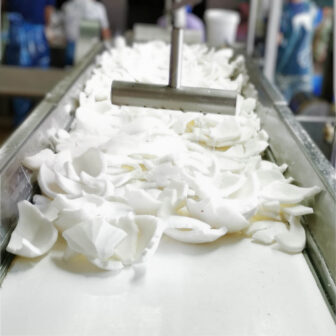
esbelt® has more than 30 years of experience supplying Clina, Espot and Febor belts for canned fruits processing like coconut, pineapples, papayas, peaches, fruit cocktails etc.
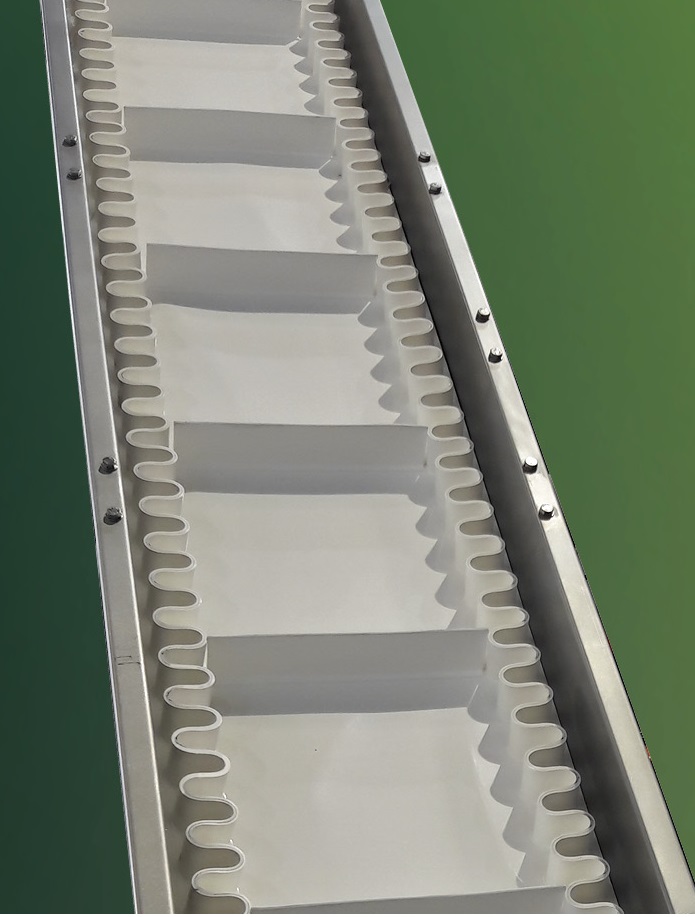
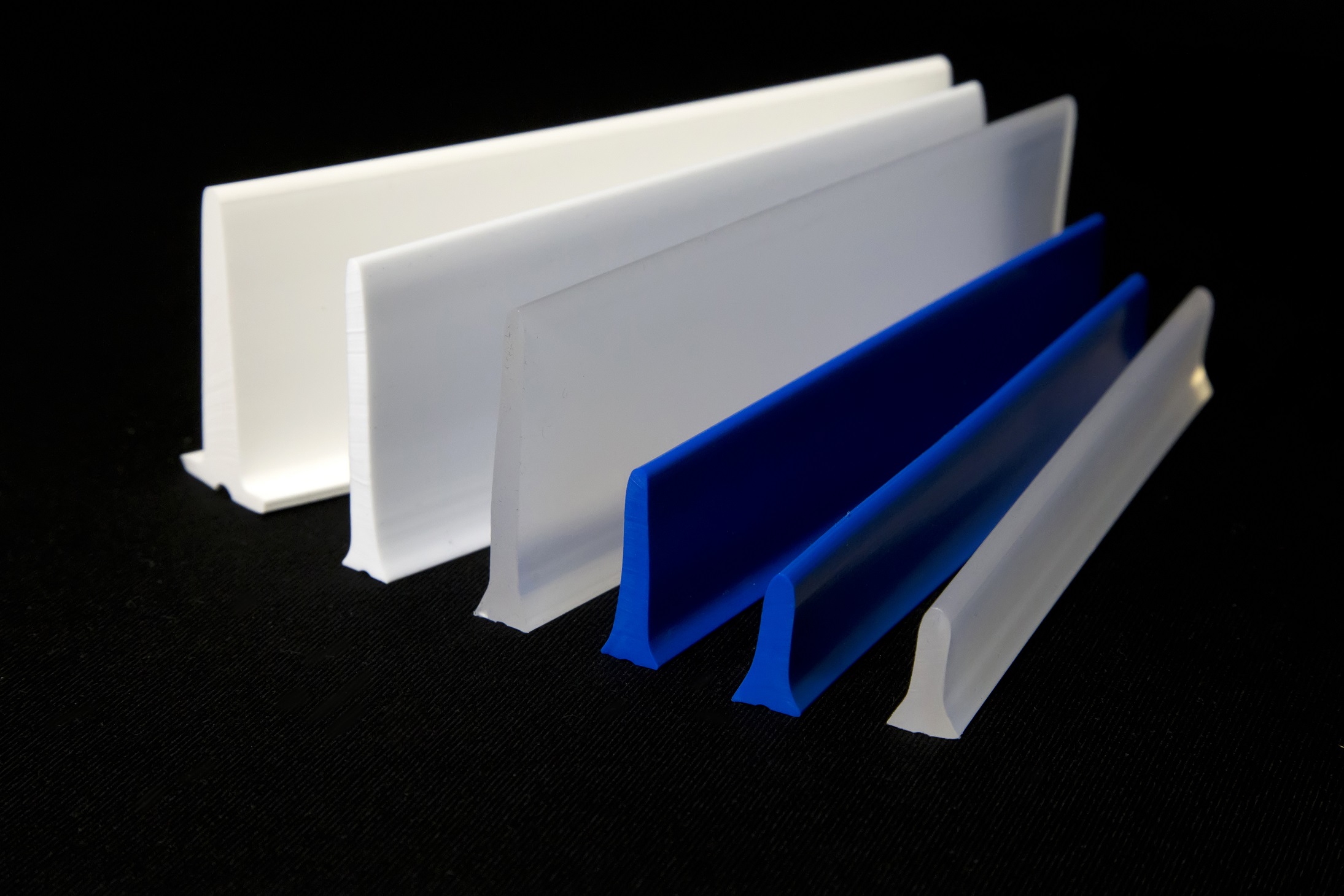
Special profiles called Fingers and Short fingers, belts with corrugations, or Runer® sidewalls welded to the belt covers are used in harvesters and for conveying thin-skinned fruits in order to avoid sharp impacts that could damage the fruit during processing.
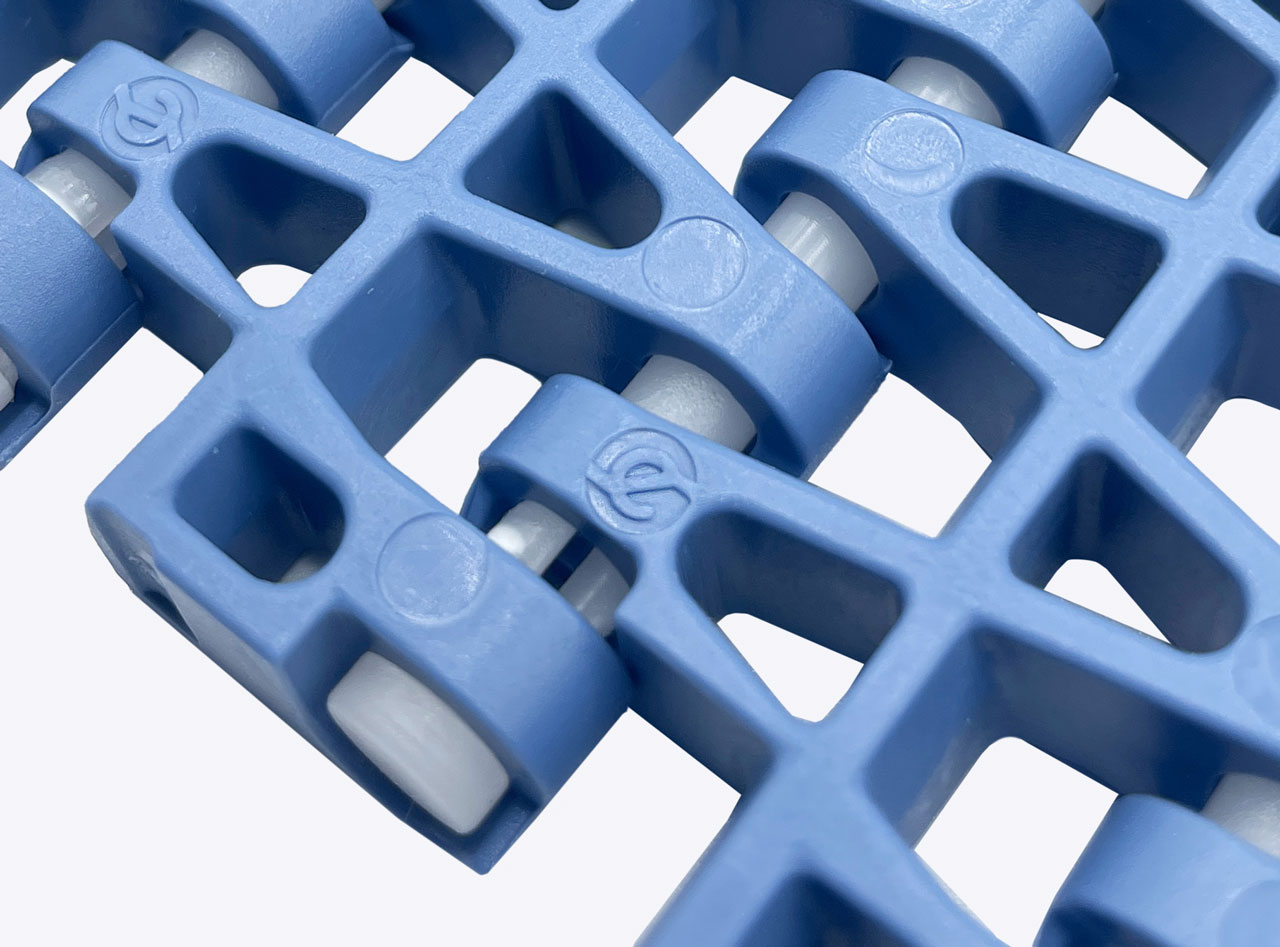
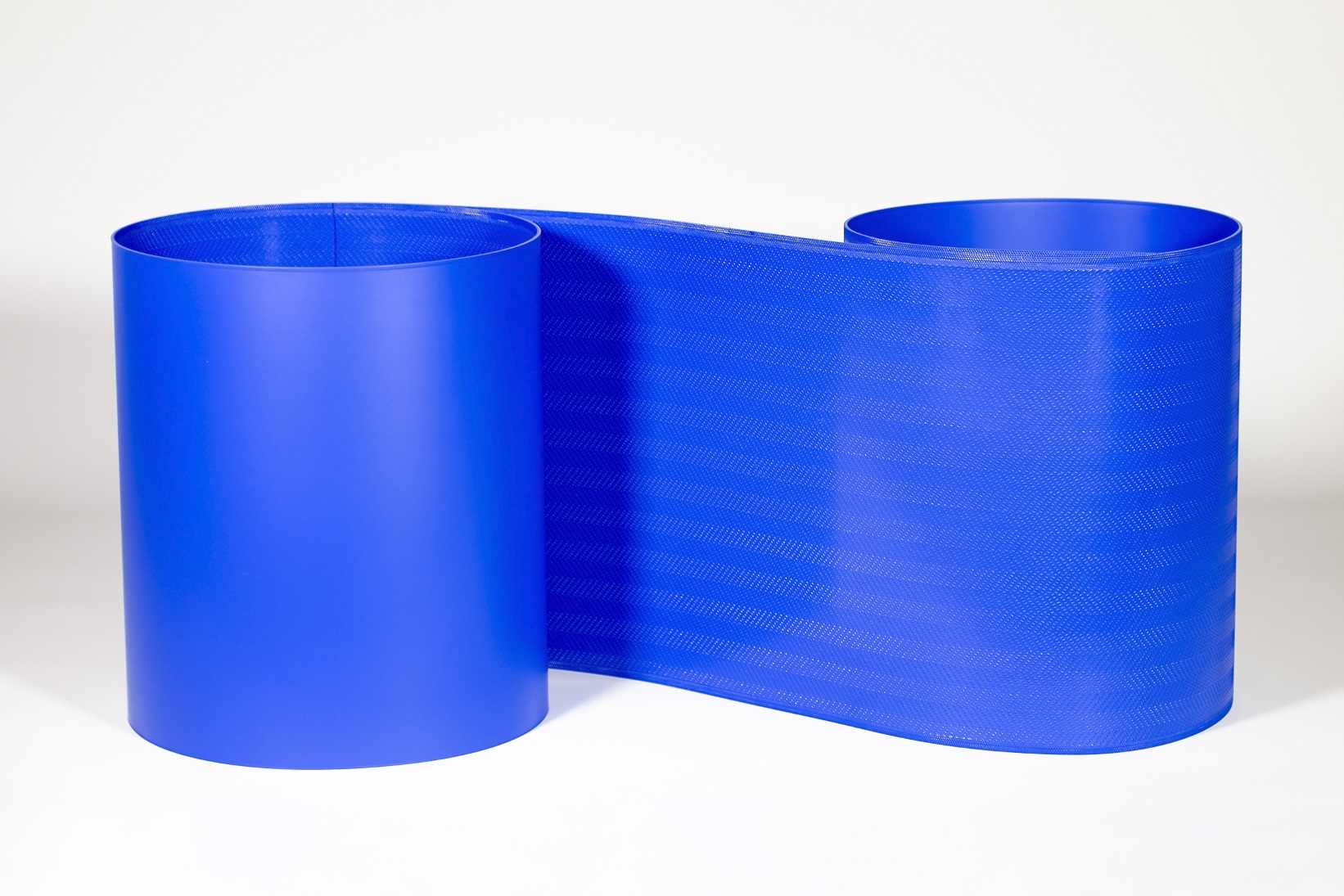
In addition to PVC conveyor belts, esbelt® also offers TPU double-coated belts, which do not fray, for vegetable shredders, and filter belts, Swapbelts modular belts, for washing and draining processes.
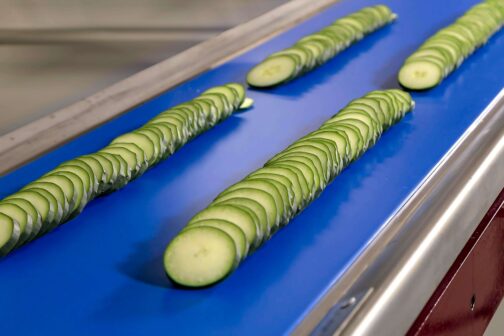


Belts for harvesting, washing, cutting, packaging, and conveying of fruits and vegetables.
Downloads
Brochure: Belts for the fruit and vegetable industry ()
PVC & TPU belts for harvesting, washing, cutting, sorting and packaging of different types of fruit and vegetables. EU & FDA food quality.
Brochure Espot Series Belts ()
Food-grade belts (FDA and EU 10/2011) with excellent resistance to vegetable oils with flexible weave fabrics for trough transport and lifting of fatty foods and feeds.
Brochure: Washflow filter belts ()
TPU filter belts, with 6×6 mm and 12×12 mm mesh sizes, are designed for efficient washing and conveying of vegetables, fruits, and frozen foods. They also provide excellent drainage of liquids and effective screening of solid residues.
Meshbelts ()
PVC reinforced mesh belts with mesh sizes of 1.1x1.1 mm and 2x2 mm, available in widths up to 2250 mm and 2100 mm, respectively.
Workshop Services
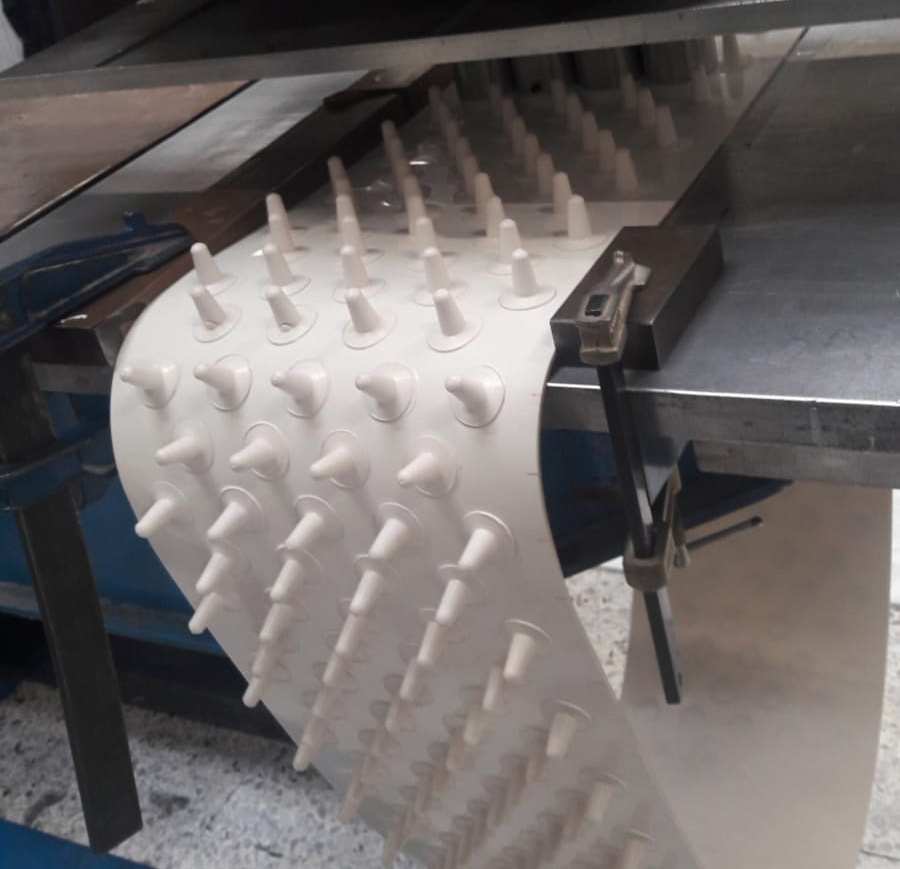
Attachment of finger and short finger profiles
“Finger” and “short finger” profiles are especially suitable for inclined conveyors of fruits and vegetables to avoid sudden impacts that could damage their appearance. In the esbelt® workshop, we weld the “finger” profile (with a minimum pitch of 100mm) and the “short finger” profiles (with a minimum pitch of 51mm between centers) onto the belts according to the needs of each application.
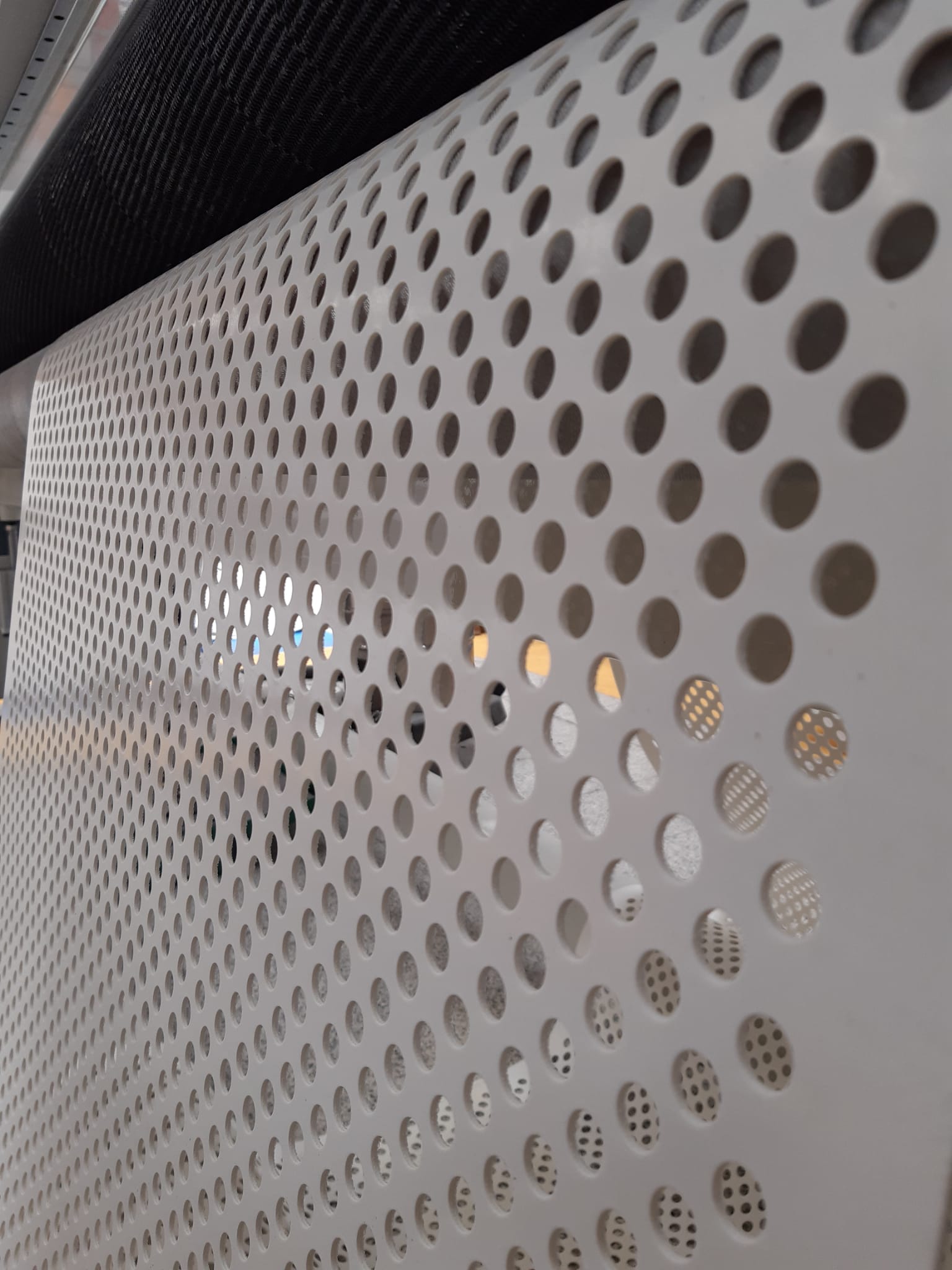
Conveyor belt perforation
Perforated belts are used in applications such as vacuum belts, drainage and filtration belts, belts for bucket elevators, and in other industrial processes. We have the ability to perforate conveyor belts in different configurations, with hole sizes between 2 and 30mm.
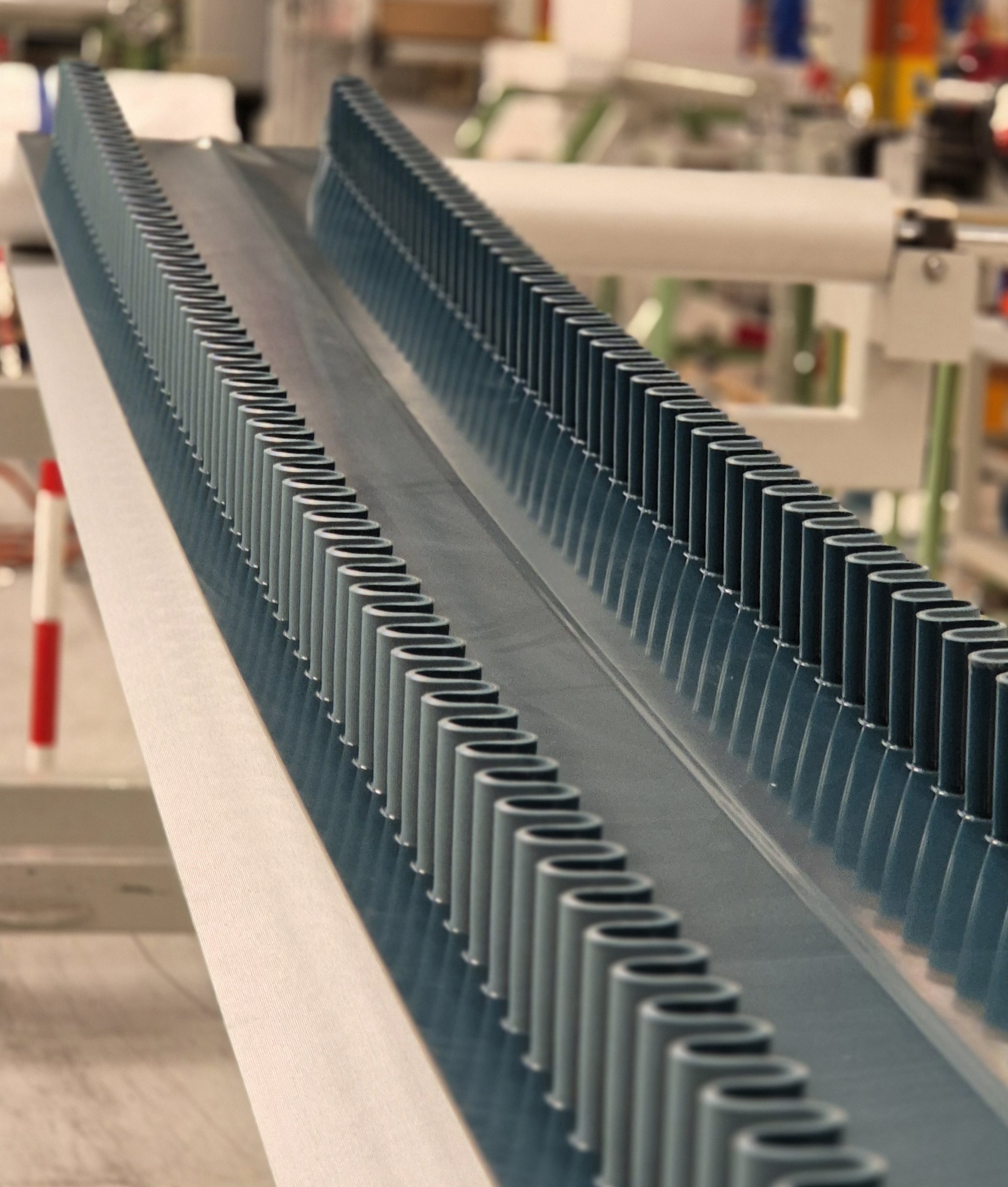
Attachment of Runer® sidewalls without base
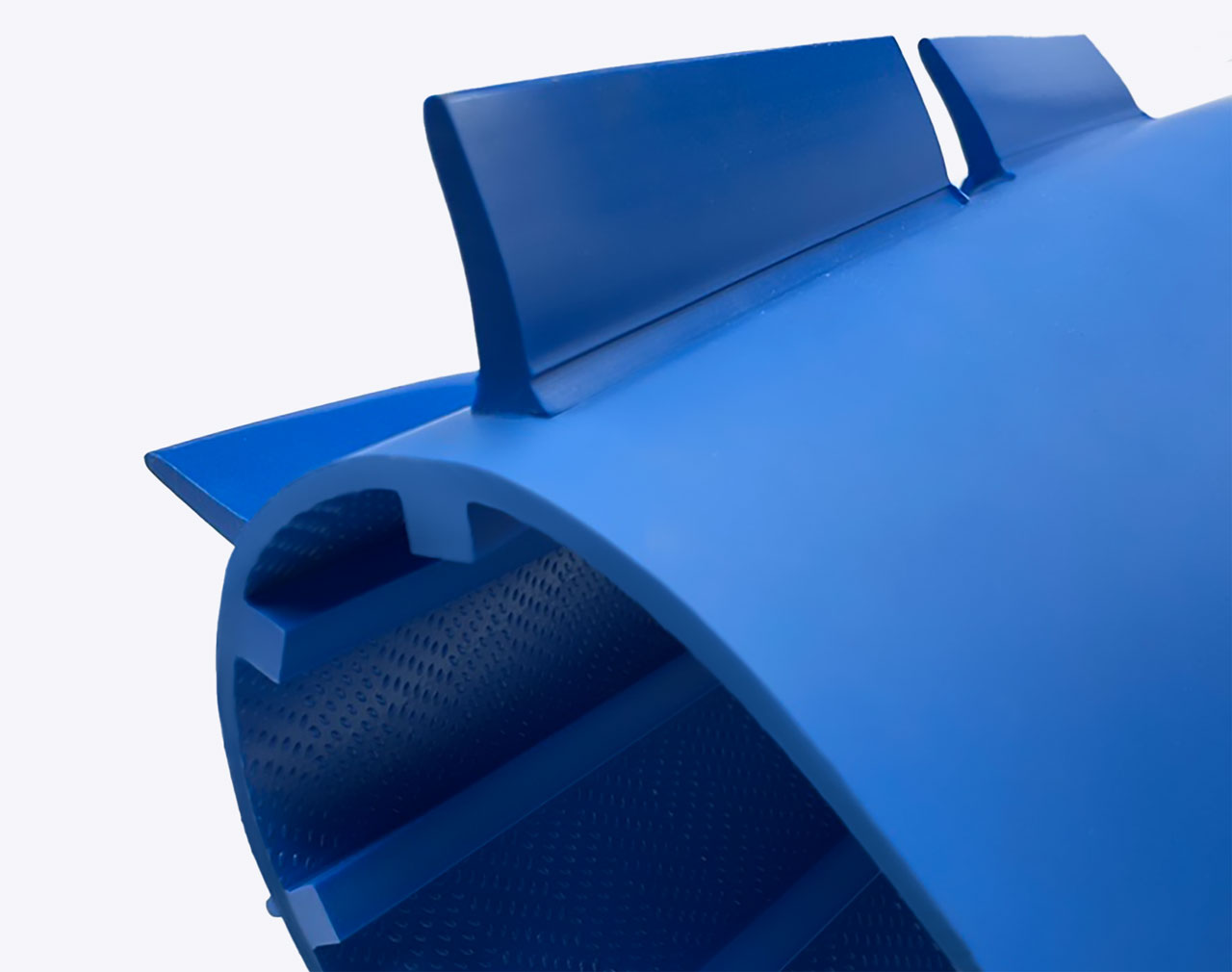
"Runer®", sidewalls without base, are welded directly onto the top cover of the conveyor belts. We have "Runer®" in PVC with and without reinforcements, and in TPU without reinforcement.
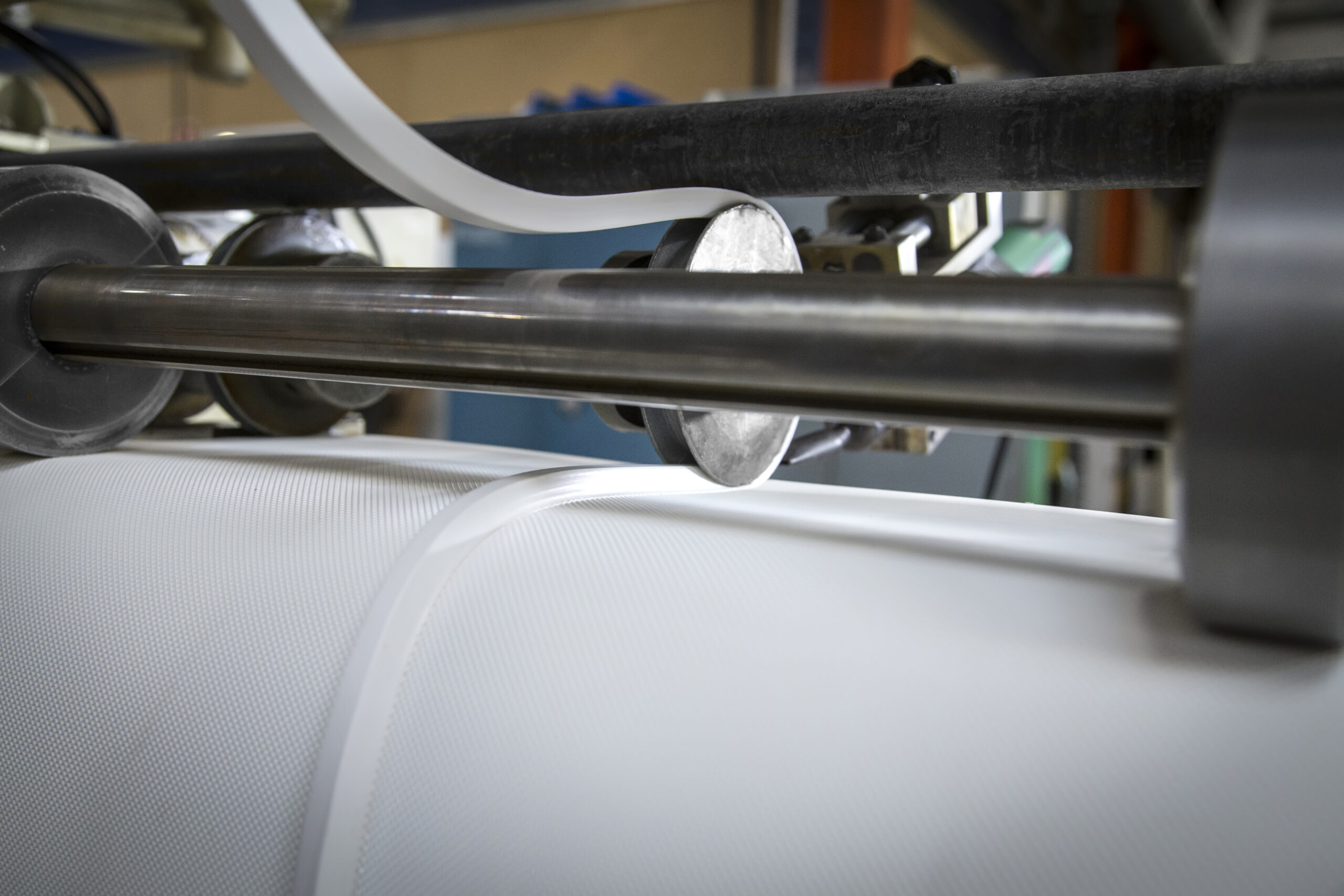
Attachment of guides
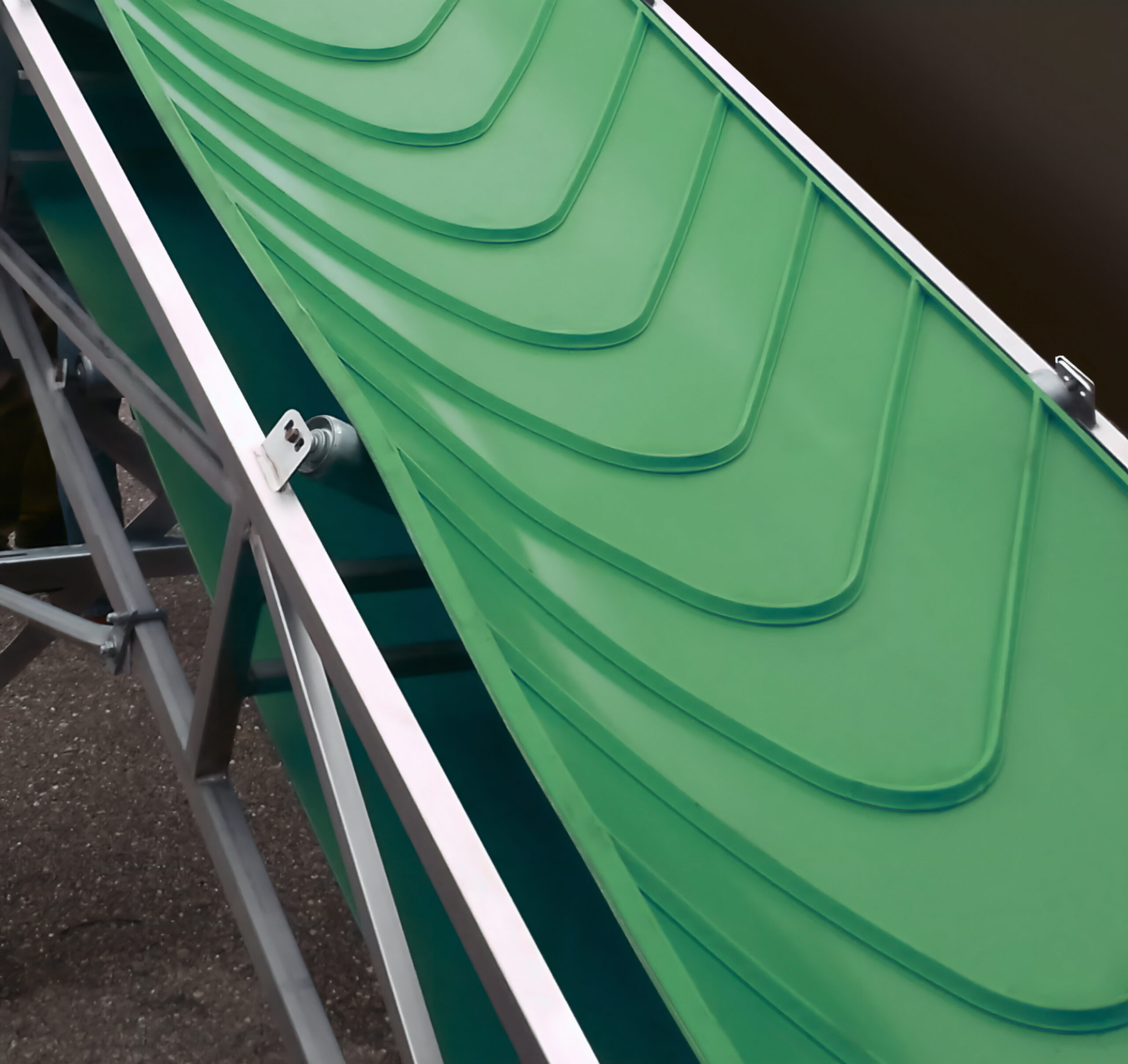
We weld longitudinal guides of varying heights to conveyor belt covers using welding machines, ensuring joint quality, mechanical resistance, and service life.
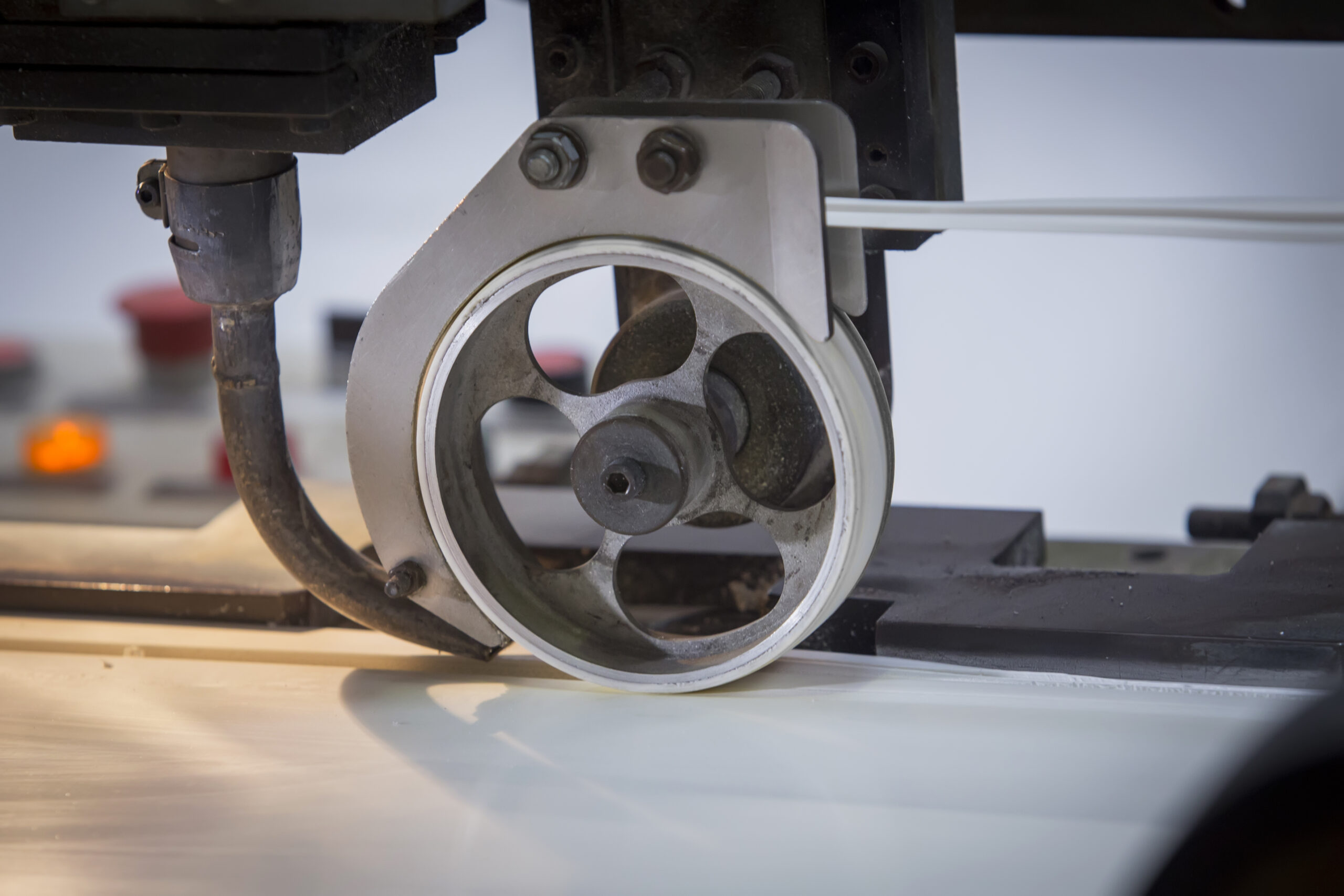
Conveyor belt edge sealing
Belt edges are sealed as an additional safety and protection measure, especially in food applications. Sealed edges prevent oils and moisture from penetrating from the sides into the conveyor belt fabric, thus preventing microbial growth and layer separation. They also prevent fabric fibers from protruding from the edges of the belt, contaminating the transported product. We can seal the edges of PVC, TPU, and TPO belts from 0.8 mm to 9.6 mm thick, with 1 to 4 layers and with smooth, matte, or embossed covers.